
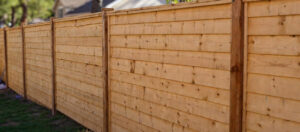
Wooden fences have long been a staple in backyard landscapes, offering a blend of natural charm, privacy, and security. They can transform an ordinary yard into a cozy retreat while defining boundaries and enhancing curb appeal. But choosing the right materials and components is crucial for ensuring your fence stands the test of time and complements your home’s aesthetic. In this comprehensive guide, we’ll dive into the key differences between 4×4 and 6×6 posts in terms of durability and visual impact. We’ll also compare pressure-treated wood against cedar, two popular choices for fence construction. Whether you’re a DIY enthusiast or hiring professionals, understanding these elements will help you make informed decisions that balance functionality, style, and budget.
Fence posts are the foundational elements that support the entire fence, bearing the weight of panels, rails, and environmental stresses like wind and soil shifts. Selecting between 4×4 (four inches by four inches) and 6×6 (six inches by six inches) posts involves weighing trade-offs in strength, appearance, and installation complexity.
Pressure-treated wood is chemically infused with preservatives to withstand decay, making it a go-to for outdoor projects. This process involves forcing copper-based compounds into the lumber under high pressure, creating a barrier against fungi, termites, and moisture.
Cedar stands out for its innate resistance to decay, thanks to natural oils and tannins that repel insects and moisture without chemical additives. Sourced from species like Western Red Cedar, it’s prized for its beauty and aroma.